November 10, 2026 — Analyze private credit redemption gates, defense sector valuation risks, and automated LP compliance to ensure audit readiness. Book a demo: https://calendly.com/khushboojha/
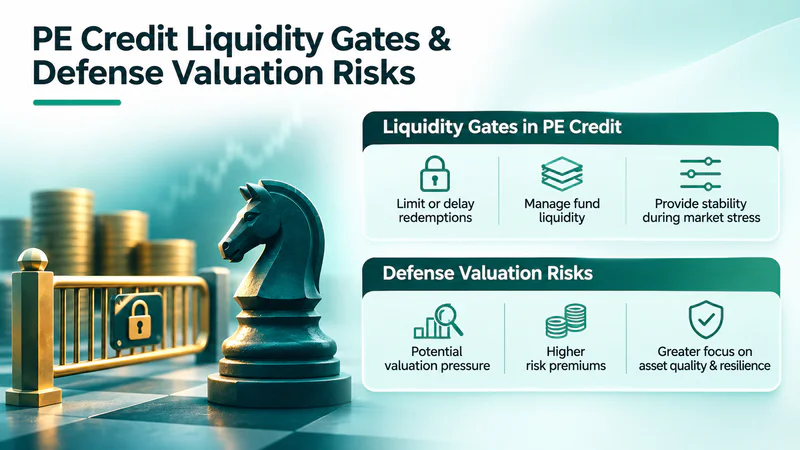
The private market operational ecosystem is confronting unprecedented liquidity gating and sector valuation pressures. As major private credit funds enact redemption caps to manage withdrawal surges and institutional allocators scramble to address historic underweight positions in real estate, General Partners (GPs) face heightened operational and compliance demands.
Simultaneously, intense private equity capital flows into specialized sectors like aerospace, defense tech, and asset-backed credit are pushing asset valuations to record highs. Managing complex evergreen liquidity gates, multi-entity real estate ledgers, and rapid LP onboarding using offline legacy tools introduces severe compliance liabilities.
To navigate redemption restrictions, enforce strict valuation governance under ASC 820, and manage volatile LP cash flows, forward-thinking Chief Financial Officers (CFOs) and Chief Compliance Officers (CCOs) are deploying integrated fund operating infrastructure.
Key Takeaways
Emerging Credit Liquidity Gating: Withdrawal caps across major evergreen credit funds highlight the critical need for real-time liquidity tracking and automated gate administration.
Valuation Governance Under Scrutiny: Overcrowding in aerospace, defense, and niche credit markets requires programmatic fair value tracking to satisfy SEC examination sweeps.
Real Estate Re-allocation Momentum: Institutional capital inflows to rectify real estate underweight positions demand multi-entity accounting platforms capable of managing complex debt and equity assets.
Audit-Ready Compliance Vault: Centralizing LP redemption requests, valuation committee overrides, and KYC/AML verification logs maintains continuous compliance readiness.
1. Deconstructing Operational Drag in Illiquid and Evergreen Portfolios
Managing non-traded credit funds, real estate special situations, and defense tech investments across parallel vehicles introduces significant back-office friction when finance teams rely on manual spreadsheets:
Redemption & Gate Administration: Shifting from manual spreadsheet liquidity tracking to automated enforcement of LP withdrawal caps and queue schedules.
Fair Value Audit Trails (ASC 820): Replacing unverified valuation notes with an immutable, programmatic audit log for high-multiple asset marks.
Multi-Entity Cash Flow Matching: Moving from error-prone spreadsheet calculations to an automated multi-feeder waterfall and commitment tracking engine.
Bank Ledger & Payment Reconciliation: Transitioning from reactive error checking to instant, automated payment and wire discrepancy alerts.
Valuation Committee Governance: Replacing informal email sign-offs with centralized digital approval workflows.
Primary Operational Risk Vectors:
Liquidity Mismatches: Manual tracking of withdrawal requests in non-traded or evergreen credit funds leaves CFOs vulnerable to sudden cash shortfalls and LP dispute risks.
Valuation Policy Deviations: Applying inconsistent discount rates or EBITDA multiples across parallel vehicles holding shared defense or credit assets triggers immediate regulatory red flags.
Audit Fatigue During SEC Sweeps: Gathering historical redemption records, valuation committee logs, and deal memo adjustments across multi-strategy portfolios consumes hundreds of back-office hours.
2. Regulatory Enforcement: SEC & Global Scrutiny on Valuation and Liquidity
Regulatory priorities in late 2026 focus heavily on how managers of private credit, real estate, and specialized PE funds govern asset marks and handle LP liquidity restrictions. Regulators are actively inspecting:
Valuation Integrity & Opacity: Evaluating whether GPs strictly adhere to documented valuation policies or apply ad-hoc overrides on hard-to-value assets during periods of market volatility.
Redemption Gate Transparency: Verifying that liquidity restrictions, redemption queues, and asset markdowns are applied fairly across all LP classes without conflict of interest.
Co-Investor & SPV Parity: Ensuring that flagship funds, parallel vehicles, and co-investment SPVs apply identical fair value marks and fee structures to shared portfolio assets.
3. How Connected Infrastructure Automates Multi-Strategy Operations
Modern private market operating platforms unite fund accounting, credit tracking, LP communications, and compliance oversight into a single connected system.
Automated Liquidity & Gate Management
Connected platforms track LP redemption requests dynamically against LPA-defined gates and liquidity buffers. The system automatically calculates pro-rata payout caps and schedules distributions without manual ledger intervention.
Programmatic Valuation Governance
Valuation models are built directly into the general ledger workflow. As deal teams update discount rates, cap rates, or defense sector multiples, the platform recalculates asset values across all parallel entities while enforcing consistent ASC 820 classification rules.
Centralized Operational Vault & Approvals
Compliance managers, CFOs, and valuation committees review, challenge, and sign off on asset marks and redemption schedules inside an encrypted compliance portal. Every adjustment, timestamp, and supporting document is automatically logged into an immutable audit vault.
Conclusion: Achieving Institutional Precision in Alternative Investments
Operational agility, transparent governance, and precise liquidity management are essential for maintaining institutional LP trust. General Partners can no longer rely on manual spreadsheets or disconnected point solutions to manage complex private market portfolios. By deploying automated fund accounting and compliance infrastructure, CFOs ensure absolute ledger accuracy, mitigate regulatory exposure, and scale their platforms seamlessly.
Discover how Ashta.ai unifies multi-entity fund accounting, automated LP onboarding, and compliance governance into a single connected platform built for modern private market managers.
In summary, as private markets expand into AI infrastructure, asset-backed credit, and defense technologies, success in late 2026 will be defined by operational agility and precision. General Partners who replace manual legacy workflows with unified, automated operating infrastructure will be best positioned to mitigate cyber risks, ensure compliance, and deliver seamless LP experiences at scale.