In today’s fast-evolving financial landscape, compliance failures in alternative investments can quietly erode firm value, investor trust, and long-term scalability. While regulatory fines and enforcement actions are the most visible consequences, the true cost of non-compliance often runs far deeper—affecting governance, fundraising velocity, operational resilience, and reputation.
As alternative investment firms across the United States and Canada continue to scale assets under management, expand strategies, and serve increasingly sophisticated investors, compliance is no longer a back-office function. It has become a core strategic capability. Firms that fail to embed scalable compliance into their operating and technology foundations risk magnifying small control gaps into systemic failures.
This article explores why compliance failures are particularly costly in alternative investments and why scalable compliance frameworks are essential for sustainable growth.
The Importance of Scalability in Investment Firms
Scalability—the ability to grow without proportionally increasing risk, cost, or operational complexity—is now a defining characteristic of leading investment firms. In alternative investments, scalability is especially critical due to complex fund structures, long investment horizons, and heightened regulatory oversight.
When compliance processes are manual or fragmented, growth introduces compounding risk. What works for a single fund or jurisdiction often breaks as firms add strategies, investors, geographies, and bespoke arrangements. Without scalable systems, compliance teams are forced into reactive firefighting rather than proactive risk management.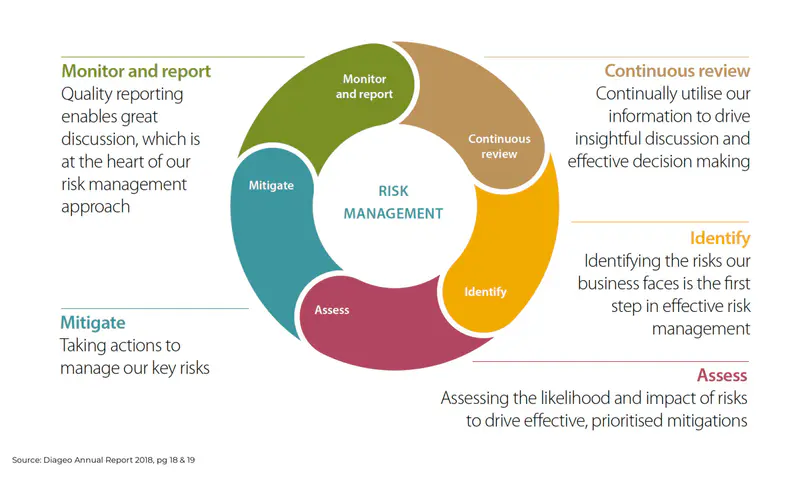
Why Compliance Is More Complex in Alternative Investments
Alternative investments differ fundamentally from traditional public-market securities, creating compliance challenges that are harder to standardize and automate.
Complex Legal and Operational Structures
Alternative investment firms frequently operate through limited partnerships, feeder funds, co-investment vehicles, special purpose entities, and side-letter agreements. Each structure introduces unique legal, reporting, and control requirements.
As these entities multiply, maintaining consistent oversight becomes increasingly difficult without centralized compliance infrastructure. Manual tracking increases the likelihood of missed obligations, inconsistent enforcement, or incomplete documentation.
Long Time Horizons and Illiquidity
Alternative investments typically have multi-year fund lifecycles with limited liquidity. Capital calls, distributions, valuation adjustments, and performance fee calculations occur over extended periods, often across changing regulatory and market conditions.
Compliance failures in this context may remain hidden for years. When issues surface—during audits, investor reviews, or regulatory examinations—remediation is often complex, expensive, and disruptive.
Cross-Border and Multi-Jurisdiction Regulation
Many alternative investment firms operate across borders, exposing them to overlapping regulatory regimes. U.S. firms navigate federal and state requirements, while Canadian firms face provincial securities regulation. Global investments introduce additional layers such as tax compliance, property law, and environmental regulation.
Without scalable, jurisdiction-aware compliance processes, firms risk inconsistent interpretations, delayed filings, and regulatory gaps that undermine credibility with both regulators and investors.
Non-Standard Terms and Preferential Arrangements
Side letters, co-investments, preferred investor terms, and related-party transactions are common in alternative investments. While often commercially necessary, these arrangements increase the risk of preferential treatment, conflicts of interest, and disclosure failures.
Failure to track and enforce these terms consistently can expose firms to investor disputes, regulatory scrutiny, and reputational damage—particularly when preferential terms are not transparently managed.
Limited Transparency and Data Challenges
Unlike publicly traded securities, alternative investments often lack real-time pricing, standardized data feeds, and automated compliance validations. As a result, compliance teams may rely heavily on manual workflows, spreadsheets, and incomplete data sources.
This lack of transparency increases operational risk and makes it difficult to demonstrate auditability. As investor and regulator expectations rise, the inability to provide timely, accurate compliance reporting becomes a material disadvantage.
Investor Expectations Are Rising Faster Than Regulation
Institutional investors—including pension funds, endowments, and insurance platforms—are raising the bar on governance and risk oversight. Compliance is no longer viewed as a minimum requirement, but as a signal of operational maturity.
Governance, ESG, and Audit Readiness
Investors increasingly expect:
Strong governance frameworks
ESG monitoring and disclosures
Consistent reporting cadence
Clear audit trails and accountability
Compliance failures signal more than procedural gaps—they raise concerns about overall control environments and fiduciary discipline, directly influencing allocation decisions.
The True Cost of Compliance Failures
Compliance failures in alternative investments rarely occur in isolation. They often point to deeper structural weaknesses in operating models, technology systems, and organizational design.
Beyond regulatory penalties, firms may experience:
Slower fundraising and longer due diligence cycles
Increased investor scrutiny and reporting burdens
Higher operating costs from remediation efforts
Loss of strategic flexibility and market credibility
Over time, these hidden costs can materially constrain growth, limit product expansion, and weaken competitive positioning.
Building Scalable Compliance for Long-Term Success
To reduce risk and support sustainable growth, firms must move from reactive compliance to scalable, embedded compliance frameworks. This requires intentional investment in:
Centralized data and document management
Automated compliance monitoring and reporting
Clear ownership and governance structures
Technology-enabled audit trails
Compliance processes designed to scale with assets and complexity
Firms that prioritize scalable compliance not only mitigate regulatory risk but also strengthen investor confidence and operational resilience—positioning themselves as long-term leaders in alternative investments. @Alternative Investments
Compliance as a Competitive Advantage
As regulatory scrutiny intensifies and investor expectations evolve, compliance is increasingly viewed as a source of competitive advantage rather than a constraint. Firms that demonstrate strong compliance maturity often experience faster onboarding, smoother due diligence processes, and deeper investor relationships. Scalable compliance frameworks enable leadership teams to make informed decisions with confidence, support product innovation without increasing risk, and respond quickly to regulatory change. In a market defined by complexity, disciplined compliance execution can meaningfully differentiate high-performing alternative investment firms.